



News
The FORbit trading platform is open for trading every evening from 7:00 to 9:00, offering returns of 2% to 10% based on daily trading volume.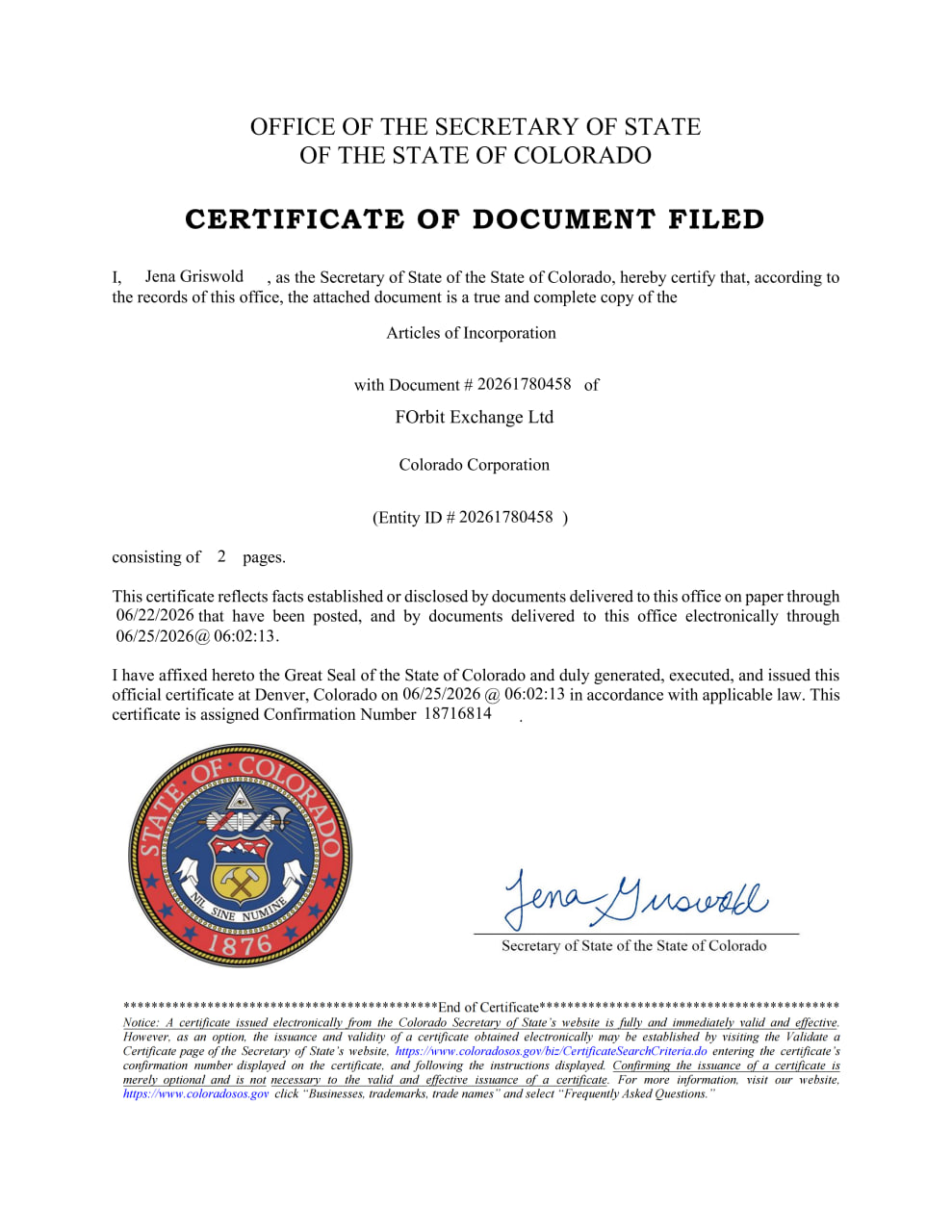
Cryptocurrency trading involves buying and selling digital currencies to profit from price fluctuations.
In short, much like trading stocks, forex, or gold, traders buy digital currencies when prices are low and sell when they are high, or generate returns through other trading methods.
Some of the most common cryptocurrencies include:
Bitcoin (BTC)
Ethereum (ETH)
Ripple (XRP)
Solana (SOL)
Binance Coin (BNB)
Common trading methods include:
Spot trading: Directly purchasing digital currencies.
Example: Buying BTC at $100 and automatically selling it for a profit when the price rises to $110.
Trading based on price fluctuations without the need to hold the underlying asset.
Using leverage, which amplifies both potential gains and risks.
Using automated trading bots to execute trades and secure profits, avoiding the need to hold the currency long-term.
Suitable for highly volatile markets to ensure steady returns.
Dollar-Cost Averaging (DCA)
Investing a fixed amount in digital currencies at regular intervals.
Used to mitigate the risk of price volatility associated with large, one-off purchases.
Forbit’s expert analysts provide users with precise recommendations on high-yield cryptocurrencies.
Our FORbit trading platform is recognized as one of the most secure platforms in the cryptocurrency space. We employ a multi-layered security system designed to minimize the risk of attacks or theft. This system includes the segregation of cold and hot wallets, multi-signature authentication, data encryption, risk monitoring, and alerts for anomalous login activity, all aimed at bolstering the security of accounts and assets. FORbit also maintains a user protection fund (SAFU) to address specific security incidents.
We regard regulatory compliance as a cornerstone of our growth, continuously refining our identity verification processes, risk controls, data security measures, and anti-money laundering (AML) protocols. We actively adhere to applicable laws, regulations, and requirements, and operate under the oversight of US federal government agencies and tax authorities, striving to create a secure, transparent, and reliable environment for digital asset services.
If you are new to FORbit, we recommend starting by learning the fundamentals of digital wallets, USDT, and blockchain technology.
Begin with small transactions and gradually build toward consistent daily returns.
Cryptocurrency trading involves buying and selling digital currencies to profit from price fluctuations.
In short, much like trading stocks, forex, or gold, traders buy digital currencies when prices are low and sell when they are high, or generate returns through other trading methods.
Some of the most common cryptocurrencies include:
Bitcoin (BTC)
Ethereum (ETH)
Ripple (XRP)
Solana (SOL)
Binance Coin (BNB)
Common trading methods include:
Spot trading: Directly purchasing digital currencies.
Example: Buying BTC at $100 and automatically selling it for a profit when the price rises to $110.
Trading based on price fluctuations without the need to hold the underlying asset.
Using leverage, which amplifies both potential gains and risks.
Using automated trading bots to execute trades and secure profits, avoiding the need to hold the currency long-term.
Suitable for highly volatile markets to ensure steady returns.
Dollar-Cost Averaging (DCA)
Investing a fixed amount in digital currencies at regular intervals.
Used to mitigate the risk of price volatility associated with large, one-off purchases.
Forbit’s expert analysts provide users with precise recommendations on high-yield cryptocurrencies.